Policy Brief · May 2026
HALFLIFE Policy Brief No. 1
HALFLIFE_PolicyBrief_No. 1_May 2026 - the policy brief
Download PDFHALFLIFE is a five-year, ERC-funded research project that aims to develop effective strategies to combat ageism worldwide. The project studies ageism - stereotypes, prejudice, and discrimination based on age - in people aged 60 and over.
Rather than using a one-size-fits-all method, it takes a personalised, theoretically grounded approach to reducing both self-directed and other-directed ageism, including its unconscious dimensions. Using an "intervention accelerator," the team will run lab and field randomised controlled trial tournaments across three countries to build a portfolio of proven interventions. Finally, to ensure these findings scale up, HALFLIFE will establish and support Communities of Practice involving practitioners and policy stakeholders at both local and global levels.
News & media
HALFLIFE_PolicyBrief_No. 1_May 2026 - the policy brief
Download PDFA new forum article in The Gerontologist sets out the theoretical foundation behind HALFLIFE.
Read ArticleHelp us to develop group activities and design future trial interventions. Your experiences shape the research.
Join NowWhat HALFLIFE sets out to do
Map the relationship between self- and other-directed ageism through the lens of intragroup relations and the multidimensional nature of age bias.
Build and trial a portfolio of theory-driven interventions in lab and field randomised controlled tournaments, matched to the people they serve.
Carry findings into practice and policy through Communities of Practice and a glocal coalition, locally and globally.
The research programme
Each phase links theory, research evidence, and practice - moving from gathering knowledge to testing it, refining it, and putting it to work.
Systematic review, crowdsourcing, and co-creation to identify promising interventions and build detailed protocols.
Lab and large-scale field randomised controlled tournaments to find the most effective interventions over time.
Integrating trial data into an innovative intragroup theory of ageism in the second half of life.
Horizontal and vertical scale-up to embed change in practice, policy, and research worldwide.
Liat Ayalon, PhD, is a Professor in the School of Social Work, at Bar Ilan University, Israel. Prof. Ayalon is currently funded by the Israel Science Foundation to study intergenerational relations in the context of climate change. She is also funded by the Volkswagen Foundation in collaboration with colleagues in Germany (Dr. von Kutzleben and Prof. Schweda) to study moral dilemmas in migrant home care arrangements. She was the coordinator of an international EU funded Ph.D. program on the topic of ageism (EuroAgeism.eu; 2017-2022). Between 2014 and 2018, Prof. Ayalon has led an international research network on the topic of ageism, funded through COST (Cooperation in Science and Technology; COST IS1402, notoageism.com). She consults both national and international organizations concerning the development and evaluation of programs and services for older adults. In recognition of her work, Prof. Ayalon was selected by the UN Decade of Healthy Ageing as one of 50 world leaders working to transform the world to be a better place in which to grow older.

Sourav Das is currently a Postdoctoral Fellow in Prof. Liat Ayalon's research lab at Bar-Ilan University, Israel. He completed his PhD in Economics at the University of Kassel, Germany. During his doctoral studies, he was also a visiting PhD scholar at Harvard Medical School and Tel Aviv University.
Sourav's primary research interests lie in Health Economics, Development Economics, and Political Economy. Since April 2022, he has been employed as a Research Associate at the University of Kassel. Prior to this, he worked as a Research Assistant at the German Institute of Development and Sustainability (IDOS) in Bonn, Germany. He has also taught courses as a part-time lecturer at Fulda University of Applied Sciences and Frankfurt University of Applied Sciences.
In his postdoctoral work with Prof. Ayalon, Sourav aims to develop impactful, evidence-based strategies to combat ageism globally.
Sourav enjoys reading books, watching cricket, playing table tennis, and listening to Rabindra Sangeet. More information about his research work can be found on his portfolio website: https://sourav-das.com/
Valentina is a clinical psychologist (M.Sc.) and psychotherapist in training based in Berlin, Germany. Her research lies at the intersection of clinical geropsychology and applied psychotherapeutic interventions. In addition to examining the challenges of addressing ageism in everyday life and clinical contexts, her research is focused on the development and implementation of specialised mental health interventions for older adults. She is currently pursuing her Ph.D., which explores individual experiences of ageism and prescriptive age norms.
Martin Gurín is a postdoctoral research fellow in the School of Social Work, Faculty of Social Sciences, at Bar-Ilan University. He previously worked at the University of Kassel (Germany) and the University of Bremen (Germany). He received a master’s degree in public and social policy from Charles University in Prague (2017) and a doctorate in sociology from Technische Universität Dortmund (2025). His research interests include the development and politics of family policies, inequality and the welfare state, intergenerational relations, and radical politics. He is a member of the HALFLIFE project, funded by the European Research Council.

Veronika Kotýnková Krotká is a postdoctoral research fellow in the School of Social Work, Faculty of Social Sciences, at Bar-Ilan University, where she works as part of the HalfLife project funded by the European Research Council. She has an interdisciplinary background in sociology and social anthropology and holds a PhD in social geography from Masaryk University (Czech Republic). Her doctoral research examined how socially dominant temporal norms and expectations about the “right timing” of life events—such as education, work, productivity, or retirement—shape the everyday experiences of people with disabilities. She has research experience at Masaryk University and the Czech Academy of Sciences, where she worked on basic and applied projects on temporality, disability and urban innovation, including research on accessible urban transport for people with sensory disabilities.
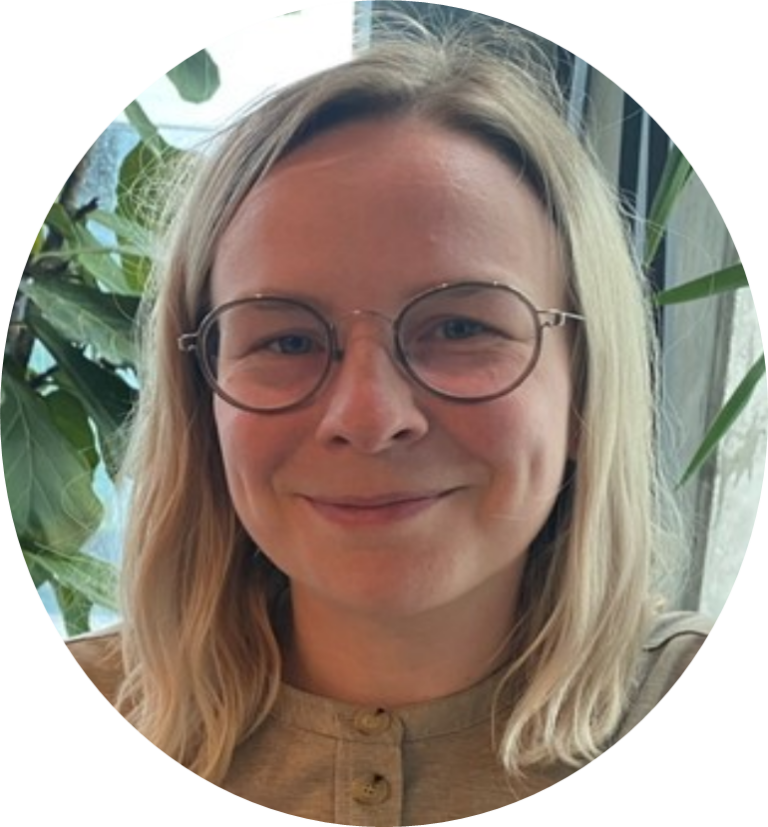
Michaela holds a PhD in sociology from the Longevity Studies program at Charles University, Prague, Czech Republic. She also has a Bachelor’s and Master’s degree in Sociology and Gender Studies from the Department of Sociology at Masaryk University, Brno, Czech Republic.
Michaela was working in the Gender Focal Point team at the Ministry of the Interior and has experience as an external expert in the Department of Evaluation of Research Organizations at the Office of the Government of the Czech Republic.
Her current research interest is the sociological approach of anti-aging aesthetic surgery in the Czech context. She is particularly interested in the so-called path that leads a woman to undergo anti-aging aesthetic surgery procedures. She is also curious and has participated in projects focused on issues such as gender in society, longevity and resilience, societal perceptions of dementia and Alzheimer’s disease, and others.
Michaela is also currently a teacher at the Faculty of Humanities, Charles University, Prague, Czech Republic. She teaches introduction to sociology and profile courses, including age, ageing, longevity, and gender.

Rachel Crossdale joined the team in 2026 as a postdoctoral research fellow in the School of Social Work, Faculty of Social Sciences at Bar-Ilan University. Rachel received her PhD from the School of Sociology and Social Policy at the University of Leeds (UK) before pursuing research into gender and education inequality at the University of Huddersfield (UK). Between 2021 and 2026 Rachel was based in the School of Sociological Studies, Politics, and International Relations at the University of Sheffield (UK), working on a large-scale international comparative project centring on exclusion and inequality in late working life across Europe (EIWO), as well as research into preventative healthcare, multimorbidity, ethnicity and inclusive ageing, and social care. Rachel was involved with the NHSA’s collaborative Ageing North report, writing on regional inequality in poverty, deprivation, economic opportunity, and healthcare across England. Other research interests include ageing across the life course, healthy ageing, older workers’ exclusion and inequality and inequality in unpaid care.
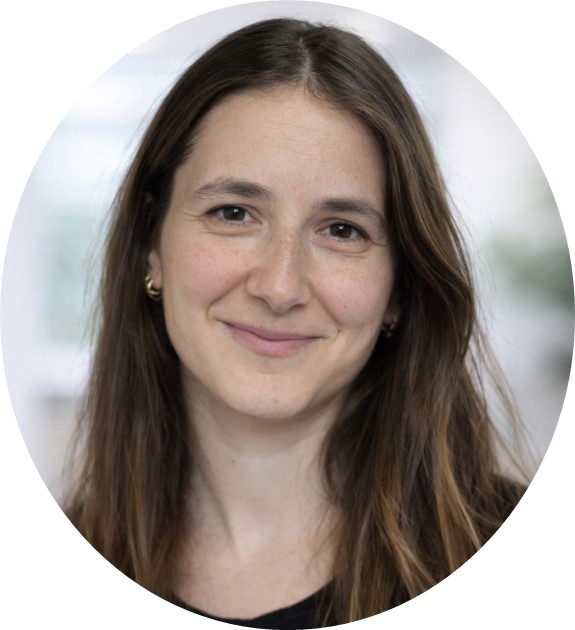
Shir Shimoni is a postdoctoral research fellow in the School of Social Work at Bar-Ilan University, working on the European Research Council funded HalfLife project. Shir is a researcher of culture and media who examines sociological questions of power, subject formation and meaning-making processes. She received her PhD from the Department of Culture, Media & Creative Industries at King’s College London (UK), where her research examined dominant cultural discourses about older age and gender circulating across the Anglo-Western cultural landscape, as well as the lived experiences of older women under neoliberalism. Her research is interdisciplinary and explores age and femininity, neoliberalism and difference from a critical perspective.
Governance & Co-Design
Our international advisory board and country co-design teams guide and support HALFLIFE's research across borders.

Dr Hannah J. Swift is a Reader in Social and Organisational Psychology and currently serves as Programme Director for the Organisational and Business Psychology MSc at the University of Kent. She is a leading expert in ageism and behaviour change.
Her research has received more than £500,000 in funding from UK research councils, including UKRI, ESRC and Innovate UK. She has authored reports on age prejudice and discrimination for the UK Government Office for Science, the Equality and Human Rights Commission, the Department for Work and Pensions, the British Medical Association, Age UK and the Centre for Ageing Better.
Working with Professor Dominic Abrams and colleagues, Hannah developed a national barometer of prejudice and discrimination in Britain, published by the Equality and Human Rights Commission. She also provides training and advice on age equality and diversity to small businesses, corporations, local authorities and charities.
Her research examines experiences of ageism, attitudes to age, and the consequences of age stereotypes. It has been published in more than 30 papers in leading psychology and gerontology journals. Her current work explores ageism in fashion and people’s experiences of fulfilling work across the lifecourse.
Hannah’s work has featured on BBC, ITV, LBC, Voice of Islam and Sky News, and in magazines from Top Santé to Forbes.
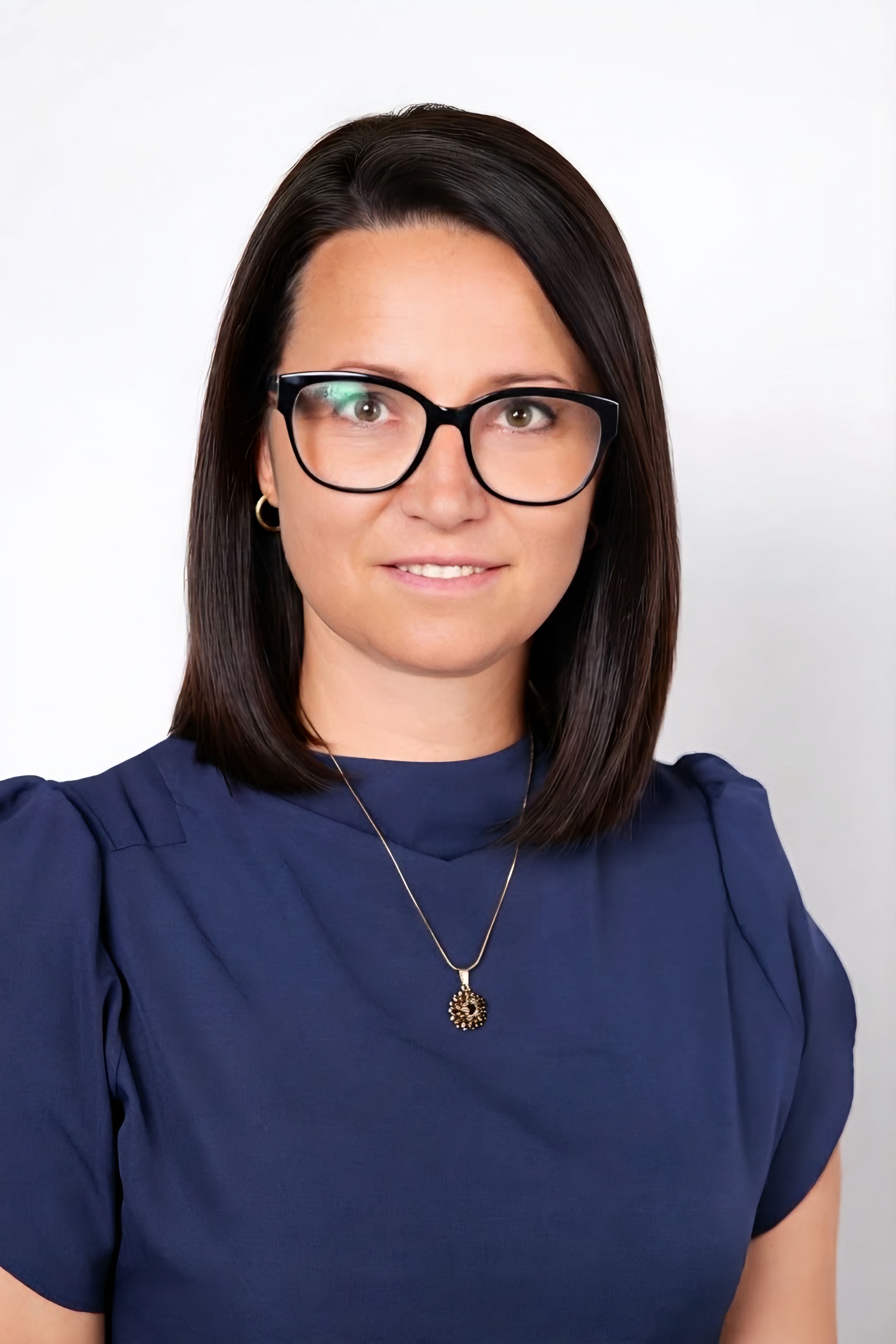
Marika Hemmerová is the Director of Senior Pas, a Czech project dedicated to supporting older adults in leading active, healthy, and fulfilling lives. Senior Pas is a non-profit initiative and association that brings together more than 560,000 active older people from across the Czech Republic. It organises a wide range of educational, cultural, and social events, as well as lectures and information programmes. These activities help older adults remain active, well informed, and engaged in their communities and wider society. In this way, the initiative strengthens social cohesion, helps prevent loneliness, and supports a fulfilling life in older age.
Marika Hemmerová views participation in research projects as another valuable opportunity to bring the experiences and needs of older adults in the Czech Republic to an international audience and to share the knowledge gained with others. She particularly values the collaboration with the HALFLIFE team because it connects practical experience of working with older adults with the latest scientific knowledge and helps identify new ways of promoting active and fulfilling ageing.
More information is available on the Senior Pas website.
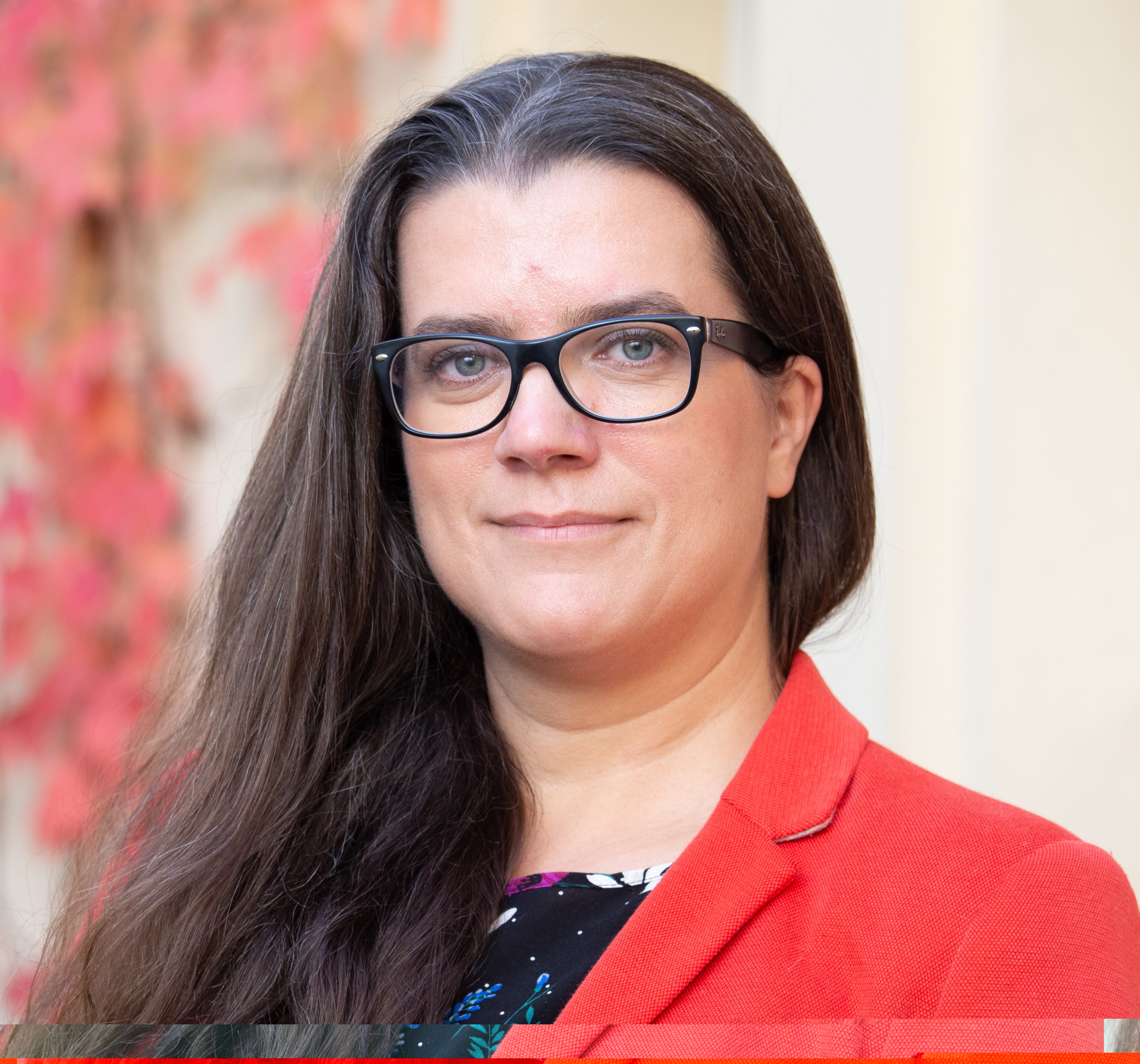
Lucie Vidovićová, M.A., Ph.D., is a sociologist and social gerontologist. She serves as an assistant professor in the Department of Sociology at the Faculty of Social Studies, Masaryk University, where she co-founded the Center for Research on Aging (CERA). She was elected president of the Research Committee on Aging of the International Sociological Association (ISA RC11). Her long-term research interests include the sociology of age and ageing, issues of ageism and age discrimination, active aging, and social exclusion. She participates in research projects in the fields of environmental gerontology, social policy, the labor market, the family, and lifelong learning. Lucie conducts research for national and European organizations, works as a consultant on a number of implementation projects, and collaborates with various governmental and non-governmental actors in the areas of senior advocacy and the popularization of science. She has experience as an informal caregiver. More about her work at starnuti.fss.muni.cz.
Members to be announced
Members to be announced
Members to be announced
Members to be announced
Members to be announced
Members to be announced
Members to be announced
Members to be announced
Members to be announced
Publications
Published in The Gerontologist
An approach to addressing self- and other-directed ageism among older adults
AGAC ISSUE FOCUS, Volume 07, Number 01, Spring/Summer 2026
Be part of the research
Over 60? Policymakers? Researchers? Professionals? Share your perspective and collaborate with our international panel to reduce ageism.
Write to usWe are recruiting participants aged 60 and over in the UK, Germany, the Czech Republic, and Israel to take part in co-designing the programmes. Interested? contact us!
Contact us